
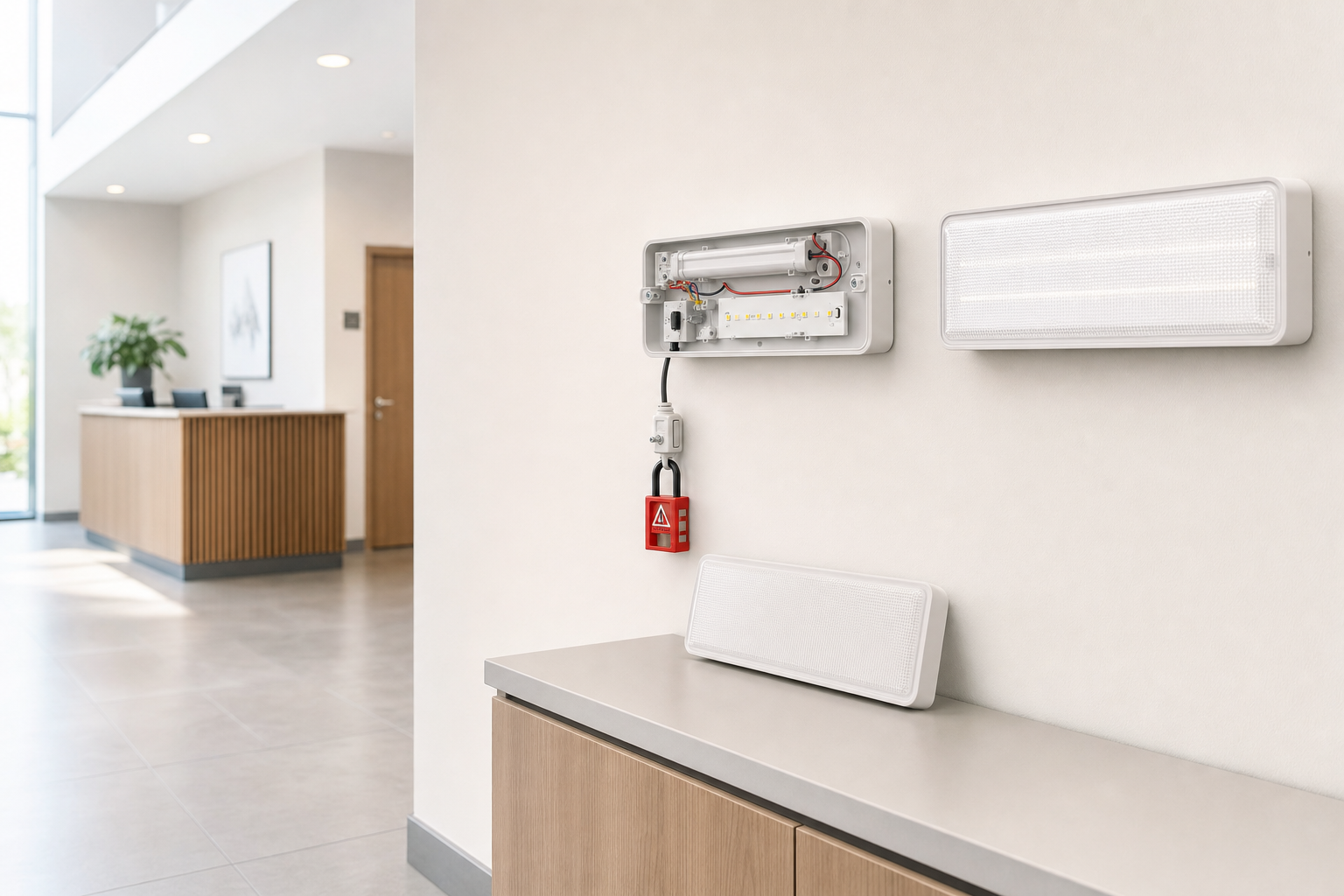
Why electrical issues need prompt attention
Safety-led first step
We assess the fault before deciding on repair or replacement, rather than rushing past the risk.
Useful for everyday fittings
Lighting, switches and regular-use fixtures can be addressed before they cause bigger disruption.
Access planned around the site
Affected rooms and circuits can be discussed around building use and practical restrictions.
Sort faults before they disrupt the building
Electrical problems often show up first as day-to-day annoyances, then become bigger concerns if they keep being worked around. With Cleantide, electrical maintenance is shaped around the issues people actually notice, such as failed lighting, faulty switches, damaged fittings, intermittent power symptoms and electrical fixtures that no longer work as they should. We start with a safety-led look at the fault before deciding what repair or replacement work makes sense. That helps protect normal use of the property while keeping attention on the warning signs that should not be ignored.
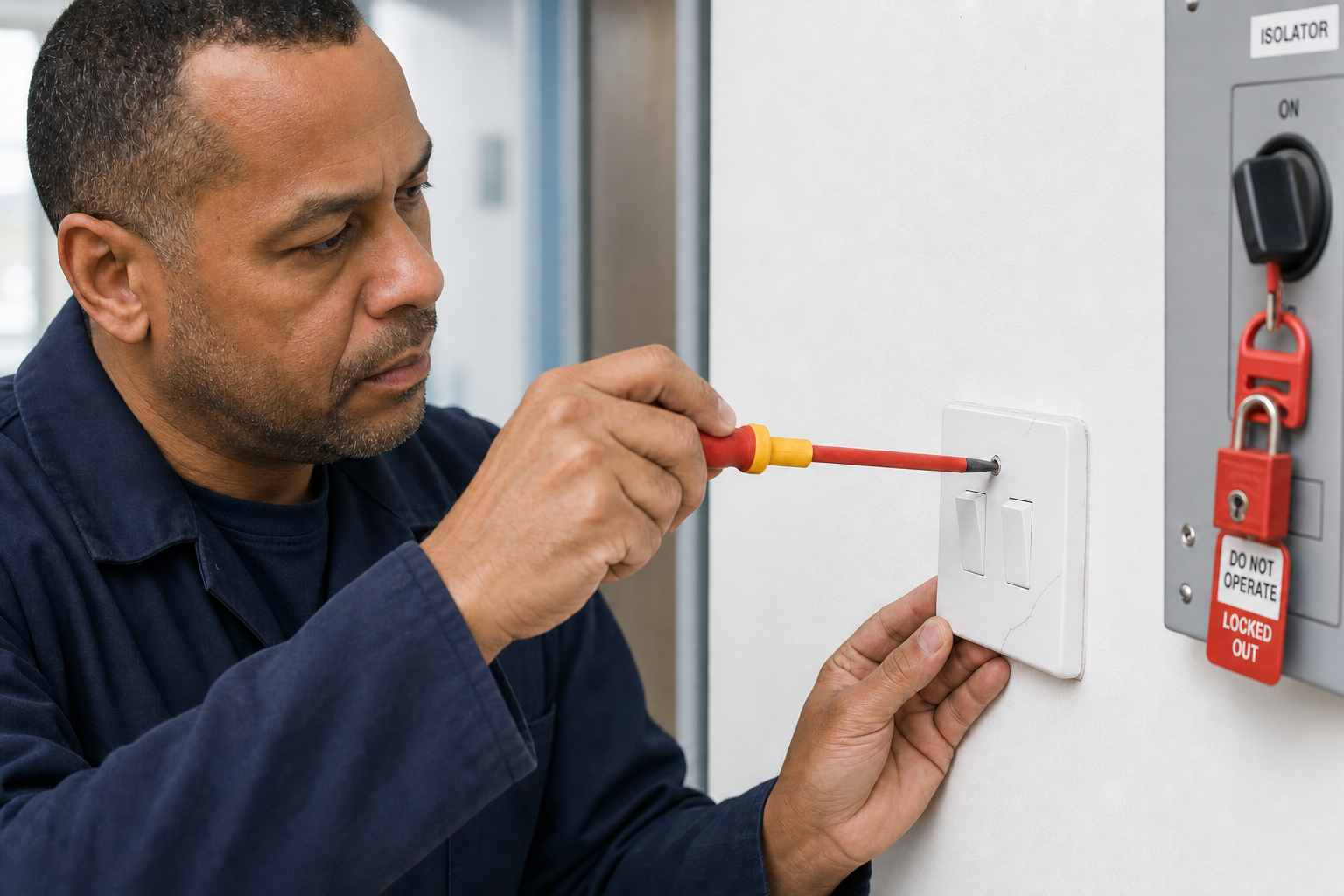

Act quickly on warning signs
Some electrical problems are inconvenient, while others need prompt attention because they point to a wider risk. Choosing Cleantide means your East Grinstead building has a clearer route when warning signs include heat, burning smells, visible damage, repeated tripping or loss of essential lighting. Planned attention to lighting and frequently used fittings can also help reduce avoidable disruption later on. We can discuss access to affected areas and circuits around the way the property operates, so attendance fits the building as safely as possible.
Frequently asked questions
What electrical problems can maintenance cover?
This can include failed lighting, faulty switches, damaged fittings, intermittent power symptoms and electrical fixtures that are not working properly. The first step is understanding the fault and the affected area before deciding what repair or replacement work is appropriate.
Which electrical signs need prompt attention?
Heat, burning smells, visible damage, repeated tripping and loss of essential lighting should be treated seriously. Those signs can point to a fault that should not be left to carry on unchecked, especially where it affects safe use of the building or the people in it.
Can the work be arranged around an occupied building?
Yes, where access and safety allow. We can talk through working hours, affected circuits, occupied areas and restrictions on when attendance is possible. That helps the visit fit around the building while keeping the fault and the people on site properly considered.