
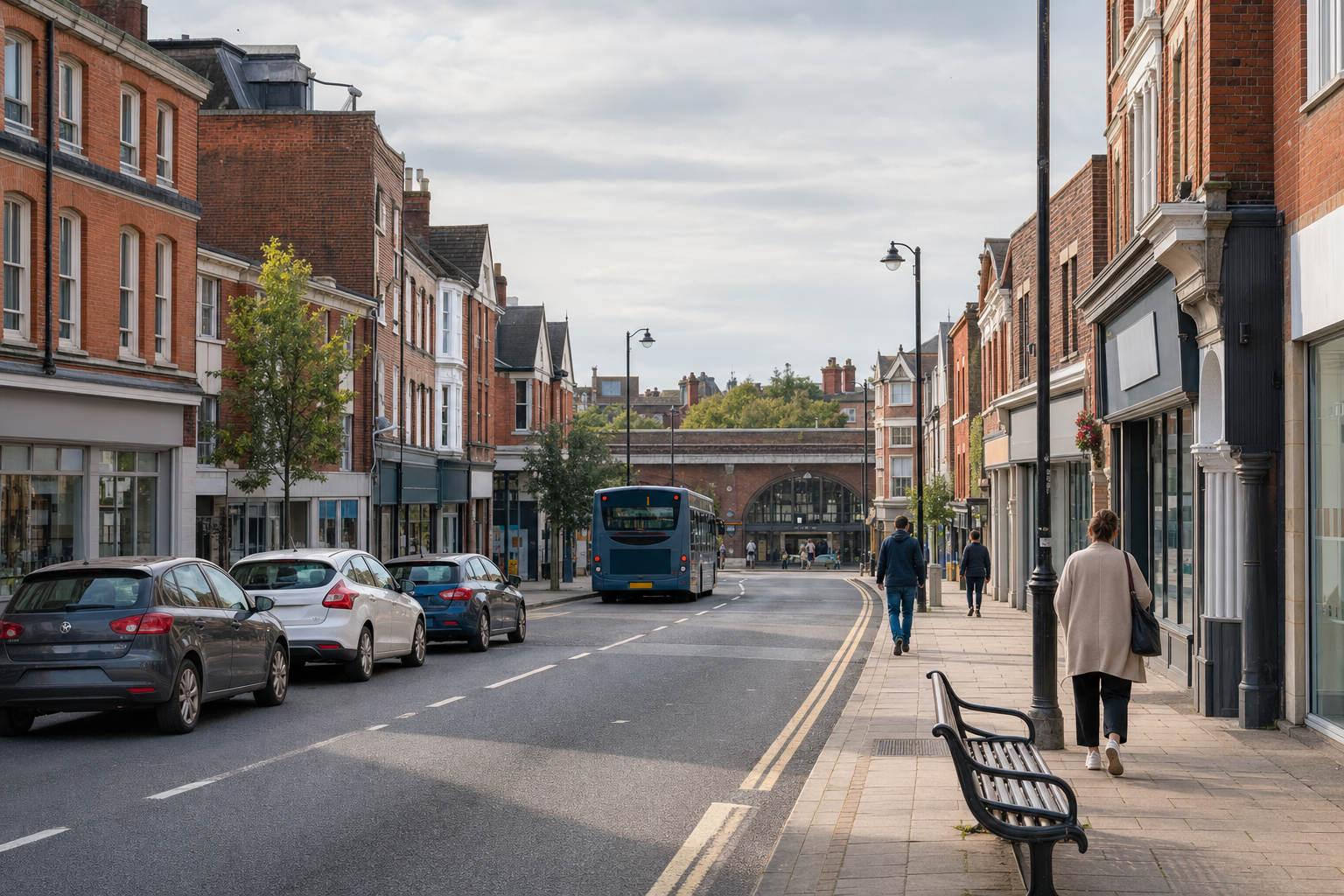
Why this fits demanding premises care
Heavy-duty cleaning where needed
Industrial areas and deeper resets can be planned around tougher build-up and site conditions.
Attention beyond routine tasks
Detailed areas and neglected sections can be targeted when ordinary schedules are not enough.
Urgent help for active defects
If a problem starts risking damage, there is a 24-hour path for immediate property support.
More intensive cleaning where sites need it
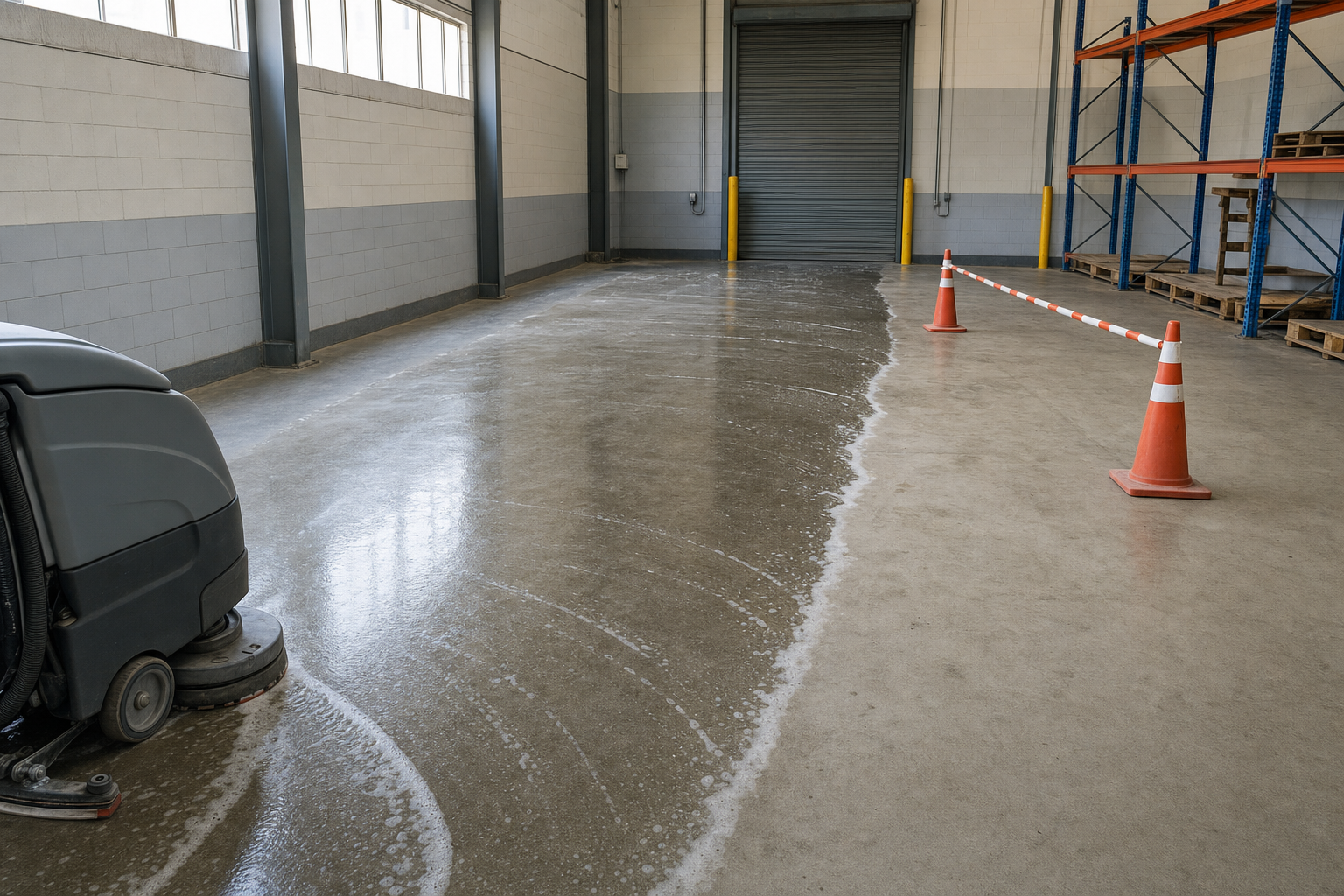
Some premises need a stronger response than routine cleaning can provide, especially where build-up is heavier, access is more restricted or the site includes demanding work areas. In Redhill, we can arrange industrial cleaning for operational spaces and workplace deep cleaning for detailed resets beyond everyday tasks. With Cleantide, the scope is shaped around the condition of the premises, the surfaces involved and any restricted zones or inductions that affect how the work should be carried out. That keeps the clean practical and better matched to the site.

Urgent property support when risk appears
Intensive cleaning often sits alongside property problems that cannot simply be left until the next planned visit. Choosing Cleantide means your Redhill premises can also draw on 24-hour emergency property support when an active defect creates a risk of damage or disruption. If there are restricted zones, surface concerns, equipment issues or emergency hazards, tell us before attendance where possible. That gives us a clearer picture of the site and helps us explain what to expect from the response.
Frequently asked questions
What details help when arranging industrial cleaning?
Please tell us how the site is used, which areas carry the heaviest build-up, whether any zones are restricted and what surface types are involved. Access times, inductions and equipment considerations are also useful, as they help shape a more realistic and workable cleaning scope.
When is a deep clean better than routine cleaning?
A deep clean is usually better when the site needs a reset, not just maintenance of the current standard. Heavy build-up, detailed areas, recovery after intense activity or a return-to-use clean are all signs that routine visits may not be enough on their own.
What happens on an emergency property call-out?
We begin with quick triage to understand the issue, how active it is and what risk it creates. The first priority is to make the situation safer and limit further damage. Once that immediate stage is under control, we can explain any follow-on remedial work that may still be needed.